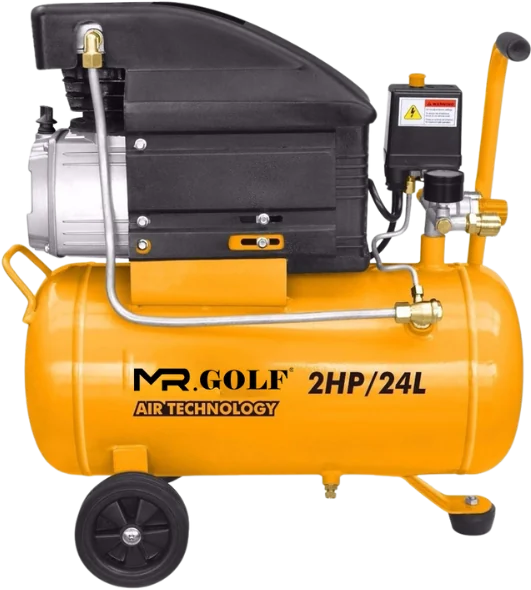
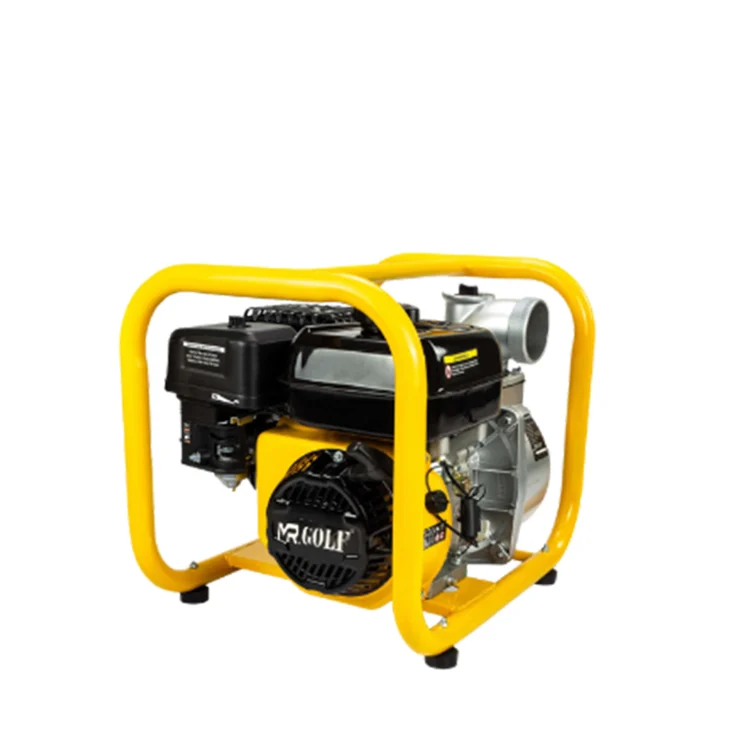
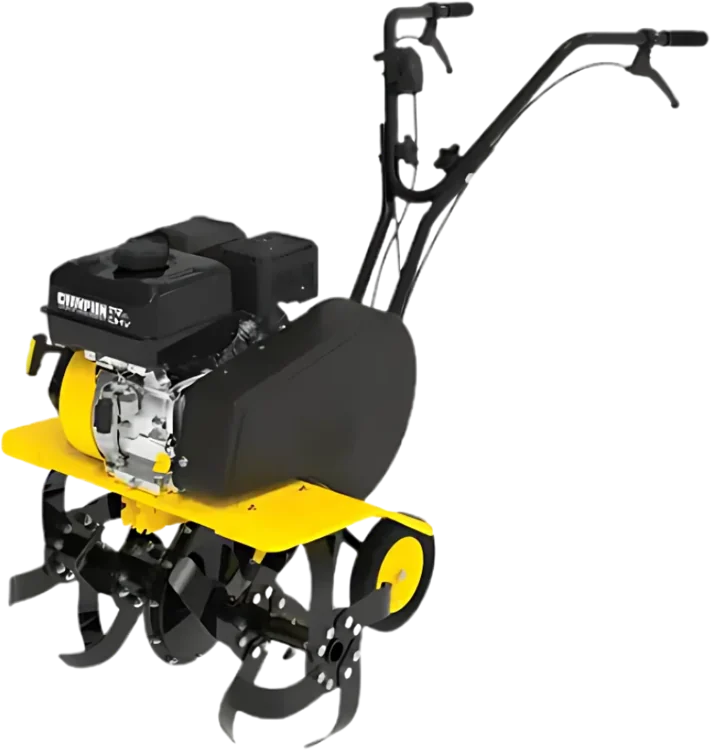
Group products around your customers or tasks
For a dealer, a useful starting range follows the customers you serve. For a project team, group products by the work they support. Keep the purpose of each item clear.
Separate essential and optional requirements
Identify which items are needed first and which are alternatives. This helps avoid treating every product in a broad catalogue as a confirmed order line.
Specify quantities at product level
A single total quantity can hide important differences between items. List the estimated units for each category, and make clear when quantities depend on the available model or quotation.
Resolve compatibility questions
Tools, engines, attachments and accessories must be checked for the specific application. Ask for dimensions, fitting details and model documentation where compatibility matters.
Confirm the commercial details together
Discuss pricing, minimum quantities, packaging, delivery and after-sales arrangements as part of the same enquiry. Do not assume terms for one product automatically apply to every product.
Keep a copy of the final agreed list
Download your initial enquiry for reference. Before ordering, compare the quotation against the final model codes, quantities, accessories and terms agreed with the supplier.